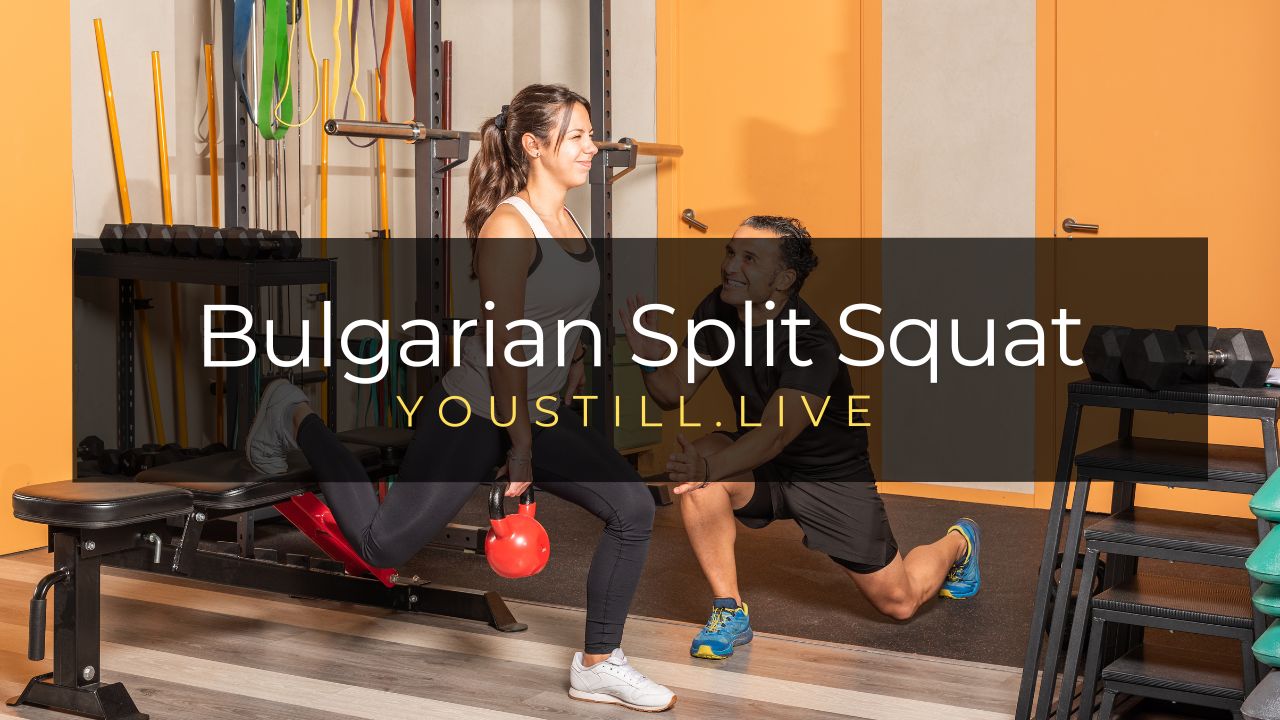
The heavy and very effective Bulgarian split squat. Our team explores the ‘infamous’ tough lower body workout exercise.
Table of Content:
Bulgarian Split Squat
In strength training, certain exercises steal the spotlight. Squats, deadlifts, and lunges often dominate the conversation. But there’s one powerhouse movement that often flies under the radar: the Bulgarian split squat. Don’t let the name fool you. This unilateral lower-body exercise delivers incredible benefits for strength, stability, mobility, and even aesthetics. Whether you’re a beginner looking to build a strong foundation or an elite athlete chasing peak performance, the Bulgarian split squat deserves a permanent place in your training regimen.
In this article, we’ll explore deep into what makes this exercise so effective, how to perform it correctly, its benefits, common mistakes to avoid, variations to try, and how to incorporate it into your program.
What Is a Bulgarian Split Squat?
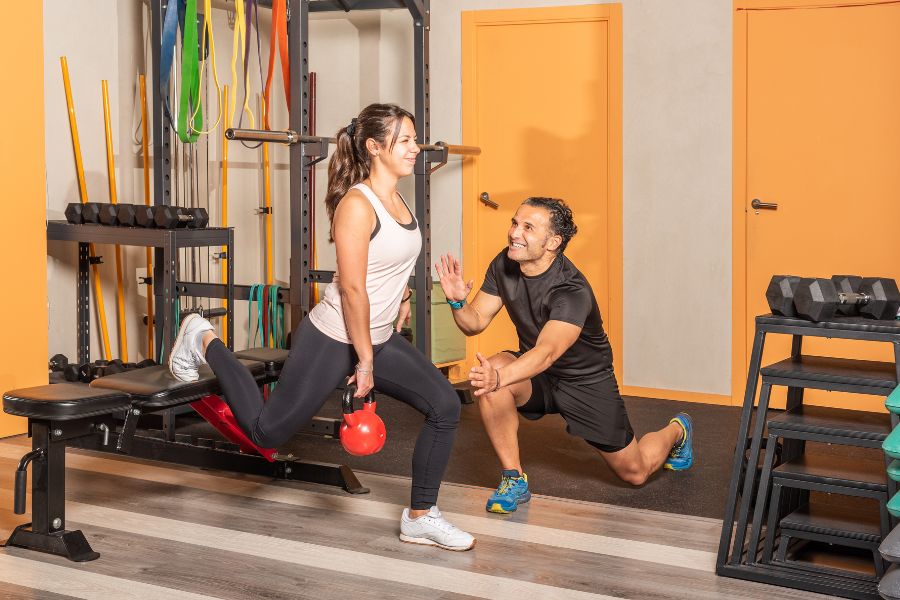
The Bulgarian split squat is a single-leg squat variation that involves placing your rear foot on a bench (or another elevated surface) behind you while your front leg performs a squat. This movement targets the quads, hamstrings, glutes, and core, all while significantly improving balance and coordination.
Unlike traditional squats that distribute the load between both legs, Bulgarian split squats isolate each leg individually. This helps eliminate muscular imbalances and strengthens the often-overlooked stabilizing muscles.
Origins of the Name
Despite its name, the Bulgarian split squat may not have actually originated in Bulgaria. The term is largely attributed to the popularity the exercise gained in the 1990s when Bulgarian Olympic weightlifting coaches began incorporating the movement into their athletes’ training routines. Whether or not it truly has Bulgarian roots, the name stuck, and the exercise became a staple in high-performance strength programs around the world.
Muscles Worked
Bulgarian split squats are a compound movement that works several major muscle groups.
- Quadriceps: The front of the thigh works hardest, especially during the upward phase of the squat.
- Gluteus Maximus: The glutes are heavily recruited to extend the hip and stabilize the pelvis.
- Hamstrings: These assist in knee flexion and hip extension.
- Adductors: The inner thighs contribute to balance and control.
- Core Muscles: Your abdominals and obliques work to keep your torso upright and stable.
Because of its unilateral nature, the Bulgarian split squat also challenges proprioception (body awareness), balance, and coordination more than bilateral exercises.
How to Perform a Bulgarian Split Squat
Below is a step-by-step breakdown for proper form.
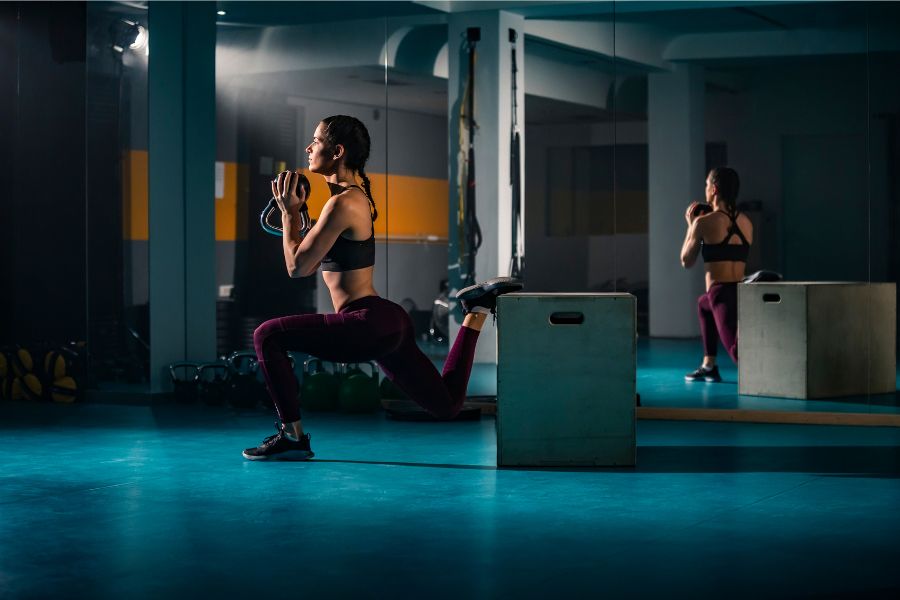
Setup
- Stand about 2–3 feet in front of a bench or step.
- Extend one leg back and place the top of your foot on the bench.
- Your feet should be about hip-width apart (not in a straight line) for better balance.
Execution
- Keep your chest upright and your core engaged.
- Lower your body by bending your front knee and hip until your front thigh is parallel to the floor.
- Your back knee should hover just above the ground.
- Drive through your front heel to return to the starting position.
Tips
- Don’t let your front knee go far beyond your toes.
- Avoid pushing off the rear leg; focus on the working (front) leg.
- Keep your torso upright, don’t lean excessively forward.
- Maintain control throughout the movement; avoid bouncing at the bottom.
Common Mistakes to Avoid
Even experienced lifters can make mistakes with Bulgarian split squats. The following are the most common pitfalls.
1. Using the Rear Leg Too Much
Some people push off the rear foot, turning the exercise into a sort of lunge. This reduces the load on the front leg and limits effectiveness. The rear leg is simply there for balance.
2. Leaning Too Far Forward
Excessive forward lean shifts tension away from the glutes and places undue stress on the lower back. Keep your spine neutral and chest lifted.
3. Knee Collapsing Inward
If the front knee collapses inward (valgus collapse), it indicates weak glutes or poor control. Focus on proper alignment and consider using a mirror or filming yourself.
4. Improper Foot Placement
If you’re too close to or too far from the bench, it throws off your mechanics. A good rule of thumb: your front shin should be vertical at the bottom of the movement.

Benefits of Bulgarian Split Squats
So why should you choose this over a traditional squat or lunge? Let’s explore some of the standout benefits.
1. Unilateral Strength and Muscle Development
Training one leg at a time corrects imbalances, which is crucial for injury prevention and optimal athletic performance.
2. Increased Hip Mobility
The stretch on the rear hip flexor can help improve flexibility and mobility in the hip joint, a major plus for desk workers or those with tight hips.
3. Improved Balance and Coordination
Balancing on one leg forces your stabilizing muscles to work overtime, translating to better overall movement control and posture.
4. Spinal Decompression
Unlike back squats that load the spine vertically, Bulgarian split squats reduce spinal compression, making them ideal for people with lower back issues.
5. Better Athletic Transfer
Whether you’re sprinting, jumping, or changing direction, most athletic movements are unilateral. Training each leg independently improves real-world functionality.
Variations to Try
Once you’ve mastered the basic version, there are several variations to progress or tailor the movement to your goals.
- 1. Bodyweight Bulgarian Split Squat
Great for beginners or high-rep endurance work. - 2. Dumbbell Bulgarian Split Squat
Hold a dumbbell in each hand for added resistance. Easier on the back than a barbell. - 3. Barbell Bulgarian Split Squat
For serious strength gains. Requires more balance and core strength. - 4. Goblet Bulgarian Split Squat
Hold a single dumbbell or kettlebell close to your chest. Encourages proper torso alignment. - 5. Deficit Bulgarian Split Squat
Stand on an elevated surface to increase range of motion and difficulty. - 6. Paused or Tempo Bulgarian Split Squat
Pause at the bottom or use a slow eccentric phase to increase time under tension and challenge control.
Programming Bulgarian Split Squats
How you incorporate this exercise into your program depends on your goals.
Hypertrophy (Muscle Growth)
- 3–4 sets of 8–12 reps per leg
- Use moderate to heavy weights
- Focus on full range of motion and time under tension
Strength
- 4–5 sets of 5–8 reps per leg
- Use heavier resistance, longer rest (2–3 minutes)
- Focus on explosive power out of the bottom
Endurance or Conditioning
- 2–3 sets of 15–20 reps per leg
- Lighter weights or bodyweight
- Short rest intervals
You can perform Bulgarian split squats 1–2 times per week, either as a main lift or as an accessory to squats and deadlifts.
Who Should Do Bulgarian Split Squats?
Athletes will benefit from improved unilateral power and coordination.
Bodybuilders love it for glute and quad development with less spinal strain.
Beginners can use it to build foundational strength and body control.
People with injuries or back issues often find it a safer lower body alternative to barbell squats.
In short, nearly everyone can benefit from this versatile movement.
The Bottom Line
The Bulgarian split squat is more than just a niche variation, it’s a powerful, functional, and underutilized tool in any serious training program. It builds real-world strength, targets key muscles, and challenges the body in ways traditional squats and machines cannot.
Yes, it’s tough. Yes, it can be awkward at first. But stick with it, dial in your form, and progress gradually. Your legs and your performance will thank you.
So the next time leg day rolls around, ditch the excuses and step up to the bench. The Bulgarian split squat might just become your new secret weapon.